3-Night All-Inclusive Hotel Stay in York: What to Expect
York invites a slower pace, and a three-night hotel break gives you enough room to enjoy medieval streets, major museums, and long dinners without turning the trip into a sprint. That balance makes the subject useful for anyone comparing short city escapes, because value is shaped by what is included as much as by the sights outside. Knowing where comfort, history, and location meet can turn an ordinary booking into a far better stay.
Outline: this article starts with what most three-night hotel packages in York actually include, then moves through the city’s essential historic attractions, explores comfort-focused experiences, compares areas and hotel styles, and finishes with a practical short-break plan aimed at travelers who want both ease and substance.
What a 3-Night York Hotel Stay Usually Includes
The phrase all-inclusive can sound simple, but in a city like York it usually means something quite different from a beach resort package. Most three-night hotel stays in York focus on a room for three evenings, breakfast each morning, and one or two added benefits that make the break feel smoother. Those extras often include welcome drinks, discounted dining, late checkout, parking, or tickets bundled with a local attraction. In other words, the value comes from convenience and thoughtful packaging rather than unlimited food and entertainment.
York is a strong destination for short breaks because the historic center is compact and walkable. Many travelers can arrive by train, reach their hotel on foot or with a short taxi ride, and begin exploring without needing a car. That ease shapes hotel offers. Instead of trying to fill every hour with on-site activity, properties often focus on practical comforts: a generous breakfast, quiet rooms, reliable heating in colder months, and a lounge or bar where guests can settle after sightseeing. Boutique hotels may include locally sourced breakfast items, while larger chains sometimes add flexible cancellation policies or family-friendly room configurations.
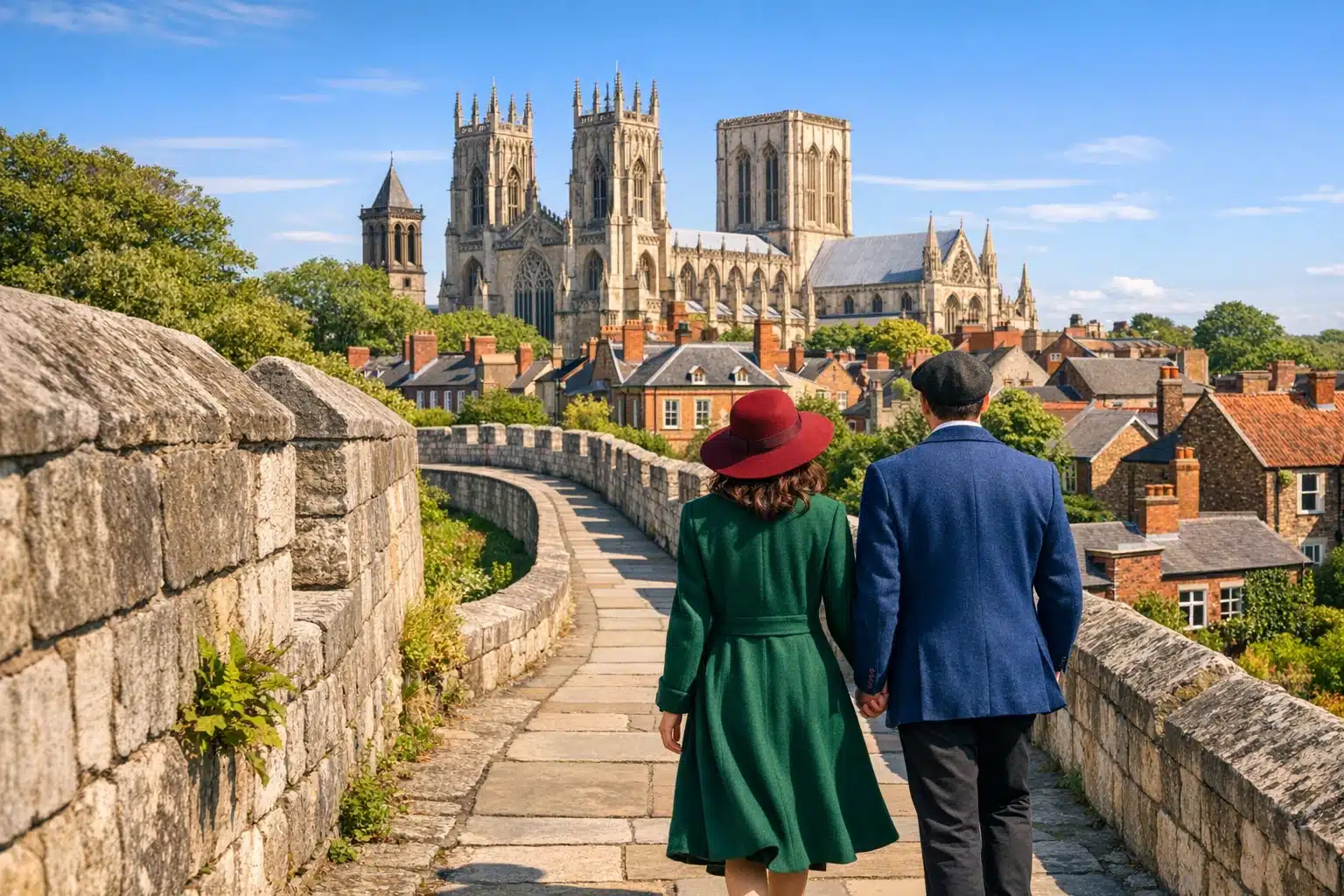
Explore 3-night York hotel stay trends with insights on accommodations, local attractions, comfort features, and travel experiences.
One of the most important things to understand is that package value depends on your travel style. A couple looking for a romantic city break may place high value on a king room, a historic building, and a dinner allowance. A family may care more about interconnecting rooms, breakfast that keeps everyone fed before a long day out, and simple access to the station or parking. Solo travelers often appreciate safety, central location, and a calm place to unwind with good lighting, Wi-Fi, and a comfortable bed. The best York packages recognize these differences, even when the headline offer looks similar across multiple hotels.
Typical inclusions often cover:
• three nights in a standard, superior, or occasionally upgraded room
• breakfast on each morning of the stay
• tea and coffee facilities, toiletries, and housekeeping
• one package extra such as parking, a drink, dining credit, or late checkout
• optional add-ons for attractions, spa time, or afternoon tea
Because York receives visitors year-round, prices move with the calendar. Weekends, school holidays, Christmas market season, and major events usually push rates higher. Midweek stays can offer better value, while winter packages sometimes include more extras to encourage off-peak bookings. Before reserving, it is worth checking whether the package includes taxes, breakfast for all guests, and any time limits on dining credits. A three-night stay can feel either effortless or unexpectedly expensive depending on those details, so reading the small print matters almost as much as admiring the photos.
Historic Attractions That Fit Comfortably Into Three Nights
York’s appeal rests on the rare way it layers Roman, Viking, medieval, and Victorian history inside a city that still feels approachable on foot. With three nights, visitors have enough time to see the landmarks that define York without reducing the experience to a blur of ticket scans and hurried selfies. The key is choosing a few major sites each day and leaving breathing room between them. York rewards walkers, but it also rewards curiosity, so a short itinerary works best when it alternates headline attractions with slower moments in the streets around them.
York Minster should sit high on almost any list. It is one of the largest Gothic cathedrals in Northern Europe, and its scale can surprise even travelers who arrive expecting grandeur. The stained glass, stone carving, and underground museum offer different ways to understand its long history. Nearby, the city walls provide one of York’s clearest visual pleasures. At roughly 3.4 kilometers, they form the longest medieval town walls in England, and walking sections of them gives visitors both an orientation tool and a scenic route above the streets. It is a lovely way to begin a stay because the walls reveal how compact the center really is.
The Shambles is another essential stop, not because it is large, but because it captures York’s atmosphere so vividly. Its narrow lane and overhanging timber-framed buildings create the kind of scene that makes people slow down without being asked. The area can be crowded, especially in peak season, so early morning or late afternoon usually feels more pleasant. For deeper historical interpretation, JORVIK Viking Centre remains one of the city’s signature attractions. Its popularity reflects the importance of the Coppergate excavations, which uncovered major evidence of Viking-age life in York. Families often enjoy its immersive approach, while adults tend to appreciate how effectively it turns archaeology into narrative.
Other worthwhile choices depend on your interests:
• Clifford’s Tower for panoramic views and a link to York Castle history
• the National Railway Museum for engineering, transport history, and free general entry
• York Castle Museum for recreated streets and social history collections
• Treasurer’s House or Barley Hall for a more intimate historic experience
Three nights also give you time to avoid a common mistake: trying to “complete” York. This city works better when seen as a sequence of chapters rather than a checklist. One morning might be for the Minster and nearby streets, one afternoon for museums, and one evening for wandering past lit shopfronts after dinner. By stretching the experience across several days, visitors can absorb the textures of the place. The stone underfoot, the bells in the distance, the curve of the walls at sunset, and the river light near dusk all become part of the memory. That is where York’s historical richness becomes more than information; it becomes atmosphere.
Comfort Experiences That Make a Short York Getaway Feel Complete
Sightseeing may be the reason many people book York, but comfort is often the reason they remember the trip fondly. A three-night stay is short enough that the details matter more than travelers sometimes expect. A room that is too noisy, breakfast that feels rushed, or a long walk back in heavy rain can drain the pleasure from even the most beautiful itinerary. On the other hand, a warm lounge, a deep bath, and a good meal after a day outdoors can turn a practical city break into something that feels properly restorative.
York lends itself especially well to this balance because its best pleasures are not all ticketed attractions. A riverside walk near the Ouse, a quiet coffee in a sheltered courtyard, or an unhurried pub lunch in a historic building can carry as much emotional weight as a museum visit. Many hotels understand this and package comfort accordingly. Some include prosecco on arrival, afternoon tea, or use of a small spa or thermal area. Others focus on reliable basics that are just as valuable: blackout curtains, strong showers, quality mattresses, and breakfast hours that do not force guests into an early alarm after a late evening out.
Food is another important part of the comfort experience. A short break improves quickly when the hotel breakfast is substantial enough to support a morning of walking. York hotels that serve cooked breakfasts, pastries, fruit, and vegetarian options often stand out because they reduce the need for extra planning. Evening dining can be part of the package as well, though guests should always check whether it is a fixed menu, a dining credit, or simply a discounted rate in the hotel restaurant. In a city known for tea rooms, pubs, and independent dining spots, flexibility often matters more than a rigid meal plan.
Comfort extras that can add genuine value include:
• late checkout on the final morning
• luggage storage before check-in or after check-out
• a quiet room away from street noise
• bathrobes, slippers, or in-room extras for a romantic break
• spa access, beauty treatments, or a partner restaurant discount
Season also changes what comfort means. In autumn and winter, visitors may care about heating, cozy interiors, and easy access to indoor attractions when rain arrives. During spring and summer, outdoor seating, river views, and lighter evening meals may matter more. The beauty of York is that it can suit both moods. One trip may feel like candlelight, old stone, and a glass of red wine after dark. Another may feel like open windows, long twilight, and lingering by the river. The city does not insist on one version of comfort. It offers several, and a smart three-night stay leaves enough room to notice which one you came looking for.
Choosing the Right Hotel Area, Style, and Value for Money
Where you stay in York affects the rhythm of the entire trip. Because the city center is compact, the choice is less about distance alone and more about atmosphere, access, and the kind of break you want. Hotels inside or very near the historic walls place you closest to the main sights, which is ideal for first-time visitors who want to step outside and begin exploring immediately. These locations can feel lively and atmospheric, especially in the evening, but they may also bring narrower streets, limited parking, and more pedestrian activity. If sleep quality matters, it is worth requesting a quiet room rather than assuming central always means calm.
The station area is often one of the most practical choices. It suits travelers arriving by rail, and it can offer a little more space, easier vehicle access, and rates that are sometimes better than those in the heart of the old city. From there, many visitors can still walk into the historic core in around ten to fifteen minutes. Riverside properties and hotels slightly farther out may appeal to guests who want a calmer environment, though that convenience trade-off becomes more noticeable on a short break when every hour has value.
Hotel style matters too. York has a mix of historic inns, boutique townhouse hotels, familiar chain brands, and apartment-style stays. A boutique property may deliver character, unusual room layouts, and a memorable setting, but older buildings can also mean stairs, compact bathrooms, and occasional sound transfer. Modern chain hotels often win on consistency, accessibility, and predictable amenities. Apartment or serviced stays work well for families, longer city breaks, or travelers who prefer extra space and self-catering options, though they may feel less indulgent if the goal is a hotel-led escape.
When comparing offers, it helps to ask practical questions:
• Is breakfast included for every guest, every morning?
• Does the rate include parking, or is parking charged separately?
• Are there lifts, accessible rooms, or step-free entrances?
• Is the package genuinely discounted, or are extras simply bundled at full price?
• How far is the property from the Minster, the station, or the river?
Value for money is rarely just about the lowest nightly rate. A slightly more expensive hotel can become the better choice if it saves transport costs, includes breakfast, offers a more restful room, or cuts down on planning friction. The opposite is also true: a property with dramatic photos may underdeliver if it lacks helpful staff, sound insulation, or clear package terms. For a three-night York break, the best booking is often the one that removes the most small obstacles. When comfort, location, and pricing line up, the city becomes easier to enjoy at your own pace, and that is the kind of value travelers tend to feel long after the bill is paid.
Planning the Ideal 3-Night York Escape: Final Thoughts for Short-Break Travelers
If you want to get the most from a three-night York stay, a loose structure usually works better than a rigid timetable. Arrival day is best used for settling in, taking a first walk through the center, and enjoying an easy dinner rather than attempting a major museum. That first evening matters more than people think. It helps you understand the city’s layout, spot places you want to revisit, and begin the trip with a sense of ease instead of urgency. A twilight walk near the walls or along the river is often enough to set the tone.
The two full days in the middle can then carry the heavier sightseeing. One day might focus on York Minster, the city walls, and the Shambles, with time built in for lunch and browsing small shops. Another could be shaped around JORVIK, Clifford’s Tower, or the National Railway Museum, depending on your interests. The final morning is perfect for a gentler pace: breakfast without hurry, a last stroll, and perhaps a museum, market visit, or tea room stop before departure. This rhythm prevents the common mistake of packing every landmark into the first day and feeling tired by the second evening.
For different travelers, the ideal version of York changes slightly. Couples often appreciate boutique hotels, late checkout, and dinner-oriented packages. Families may benefit more from chain hotels, flexible room types, and attractions that mix education with entertainment. Solo travelers frequently value central location, safety, and a hotel environment that feels welcoming rather than anonymous. Friends on a leisure break may prioritize walkability, nightlife access, and rooms that make splitting costs easier. York can serve all of them well because its strongest qualities are broad rather than niche: heritage, compact scale, and a large number of meaningful things to do within a short radius.
In summary, a good three-night York hotel stay is not defined by luxury alone or by a long list of inclusions. It works when the accommodation supports the city itself: comfortable sleep, practical extras, decent food, and a location that lets history remain close at hand. Travelers who choose carefully can fit major attractions, memorable meals, and quiet moments into a short escape without feeling overbooked. For anyone seeking a manageable city break with real character, York remains one of the most satisfying choices in England, especially when a well-planned hotel stay turns the visit from efficient to genuinely enjoyable.